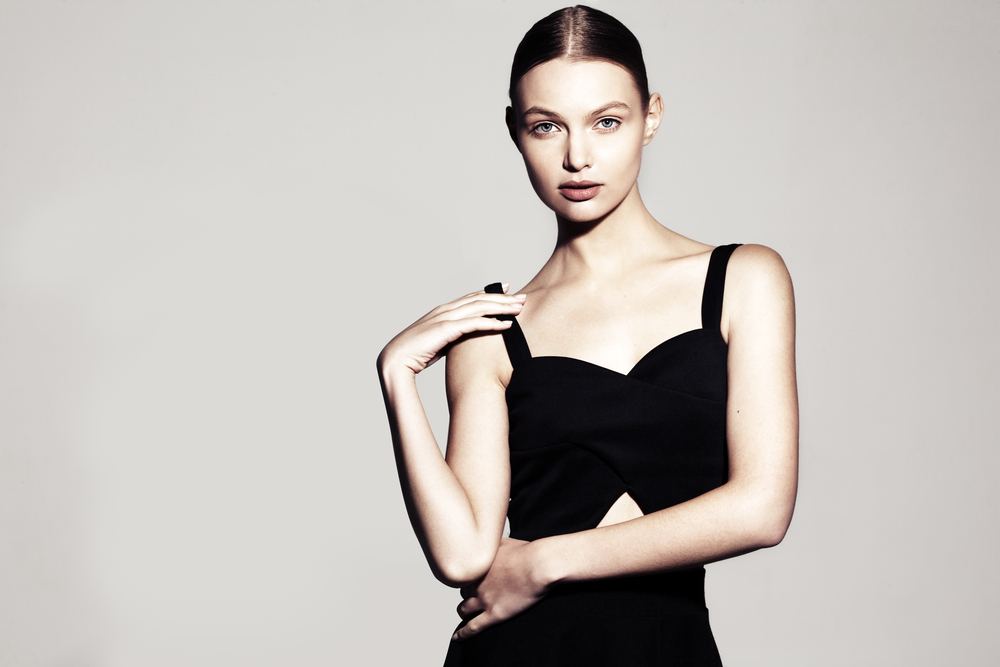
The Art of Fashion: Mastering the Art of Modeling in Photoshoots
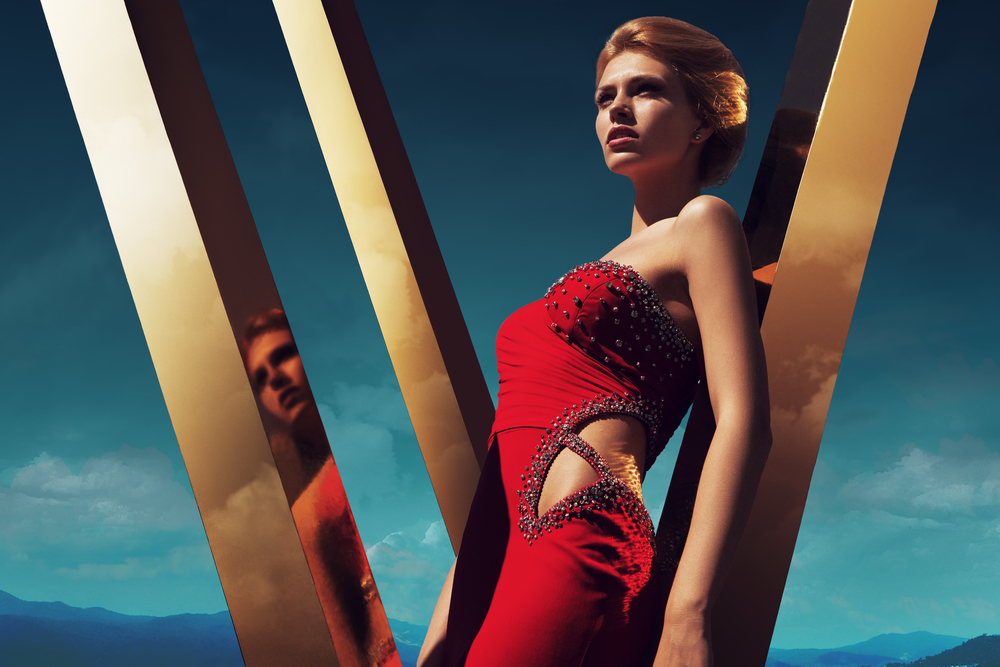
When it comes to fashion photography, the models are an integral part of the process. They bring life to the designer's creations and help create stunning visuals that captivate the audience. Modeling is an art that requires skill, practice, and attention to detail. In this article, we will explore the art of fashion modeling (by models) in photoshoots and provide insights into how to master this craft.
The Role of a Model in Fashion Photography
A model's role in fashion photography goes beyond just being a beautiful face. They are storytellers who create a narrative through their poses, expressions, and body language. Models must be able to convey the designer's vision and showcase the garments in the most appealing way possible. Their ability to bring life to clothing is what makes fashion photography so captivating.
Posing Techniques
One of the key aspects of modelling (or modeling) is mastering various posing techniques. Models need to understand their body's angles and lines to create visually pleasing shapes. They should experiment with different poses and movements to find their best angles. The right pose can make or break a photograph, so it's crucial to practice and develop a diverse range of poses.
Whether it's a strong power pose or a soft, ethereal stance, the pose should complement the garments and convey the desired mood. Models should also pay attention to their hand and facial expressions as they can greatly enhance the overall impact of the image.
Maintaining Control of Facial Expressions
Facial expressions are a potent tool for models to convey emotions and tell stories. Their ability to emote through their faces can breathe life into a photo. Models should practice a wide range of expressions, from subtle to dramatic, and understand when each is appropriate. A shy smile, a fierce gaze, or a distant look can dramatically change the mood of the image and evoke different emotions in the viewer.
Mastering Movement and Body Language
modeling (or modelling) is not only about looking good in static poses but also about mastering movement and body language. Models should be able to transition smoothly from one pose to another, creating a dynamic flow in the images. Fluid movements add energy and authenticity to the photographs, making them more captivating.
Body language also plays a significant role in modelling . Models must be aware of their body posture, balance, and how they interact with the surroundings. Every subtle shift in body language can send a powerful message to the viewer. Attention to details such as the position of the shoulders, the arch of the back, or the placement of the feet can make a substantial impact on the final result.
Working with the Photographer and Team
modeling in photoshoots is a collaborative process that requires effective communication and teamwork. Models must understand and interpret the photographer's vision and direction to achieve the desired outcome. By building a rapport with the team, models can create an environment conducive to creativity and bring out their best performance.
Listening carefully to the photographer's instructions, asking questions for clarity, and providing feedback can help in capturing the desired shots more efficiently. It's important for models to understand that they are not working in isolation but as integral parts of a larger creative process.
The Importance of Confidence
Confidence is key to successful modeling. The ability to exude confidence in front of the camera can transform an average photo into an extraordinary one. Confidence comes from believing in oneself and embracing individuality. Models should celebrate their unique features and use them to their advantage.
While it's natural to feel nervous at the beginning of a career, practice and experience help in building confidence over time. Models should focus on developing a positive mindset, practicing self-care, and nurturing self-belief. These attributes not only enhance their performance but also create a positive and enjoyable experience for everyone involved in the photoshoot.
Frequently Asked Questions
1. How can I improve my posing skills as a model?
To improve posing skills, practice in front of a mirror or with a friend. Study the work of experienced models and photographers to understand different posing techniques. Attend workshops or take classes that focus on posing in fashion photography.
2. How do I find my best angles as a model?
Experiment with different poses and angles to find what flatters your features. Take test shots or work with photographers on smaller projects to explore different perspectives. Be open to feedback and learn from the professionals you collaborate with.
3. How important is it to work with a professional photographer?
Working with a professional photographer can significantly impact the outcome of your photoshoot. They have the expertise to guide you, bring out your best angles, and capture stunning images. Collaborating with professionals is an excellent way to build your portfolio and gain valuable experience.
4. What should I wear to a photoshoot as a model?
It's essential to discuss wardrobe choices with the photographer and styling team beforehand. Bring a variety of outfits that suit the theme and mood of the shoot. Include some classic and versatile pieces that can be easily styled differently to create multiple looks.
5. How do I maintain a healthy mindset in the modeling industry?
The modeling industry can be challenging, but it's important to prioritize self-care and maintain a healthy mindset. Surround yourself with a positive support system, practice gratitude, and focus on your personal growth. Remember that beauty comes in all shapes, sizes, and ages, and embrace your uniqueness.
In conclusion, modeling is an art that involves more than just looking good in front of the camera. It requires mastering posing techniques, facial expressions, body language, and effective teamwork. With practice, a positive mindset, and continuous learning, aspiring models can develop the skills necessary to excel in the fashion photography industry.
Other useful resources
- https://en.wikipedia.org/wiki/Modeling_agency
- https://www.planetmodelphoto.com/models/modeling/usa/charlotte/nc-north-carolina
- https://www.planetmodelphoto.com
- https://en.wikipedia.org/wiki/Category:Models_by_modeling_agency
- https://www.planetmodelphoto.com/models/modeling/usa/wilmington/nc-north-carolina